

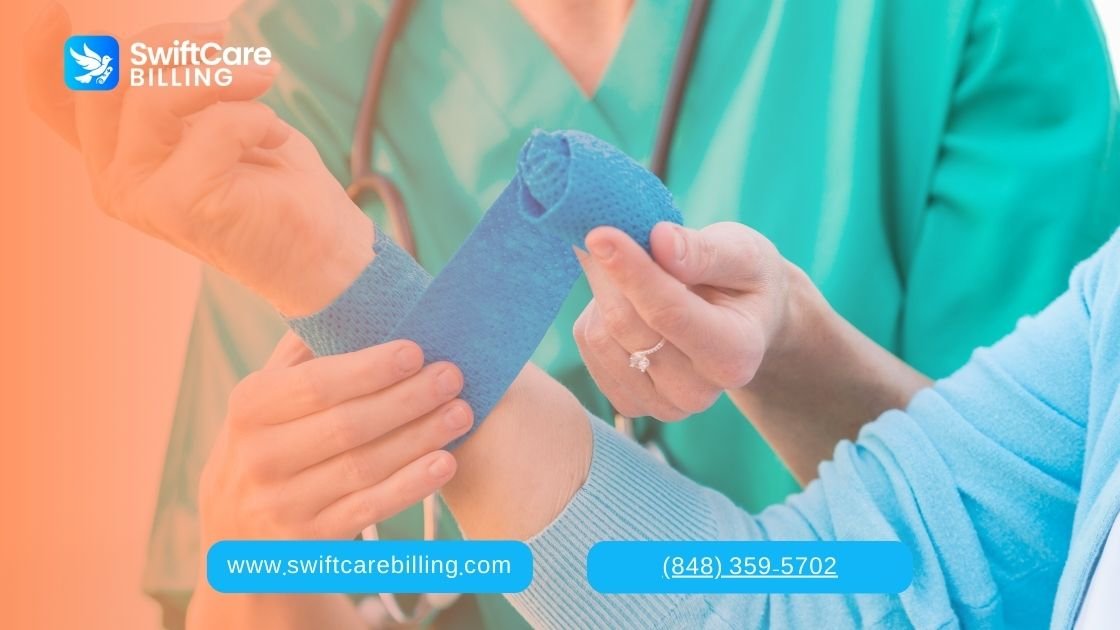

Billing for wound care treatments and procedures is frequently much more complicated than billing in other specialties due to a variety of unique considerations. Furthermore, it is crucial for practitioners and billers to collaborate closely in order to guarantee the highest possible compensation for wound care services and related expenses because reimbursement for wound cares operations, services, and related supplies can be extremely high.
There’s a lot of money at stake, to put it simply. A biller with experience in wound care treatments may frequently boost even a small practice’s monthly revenue by tens of thousands of dollars or more. Wound care is paid at a high rate.
The secret is to put in the time and money to fully comprehend the nuances of wound care billing, then diligently and consistently apply that knowledge to each charge. Much money is lost because, regrettably, very few providers and even fewer medical billing agencies are aware of all the subtleties.
Wound care billing face significant complications and cause 35% denied claims. Studies show that 20% of billable revenue can be lost due to its errors that may be in documentation, billing codes or missing information. Therefore, wound care clinics, hospitals for wound centers and home health agencies require efficient medical billing company for accurate wound care CPT codes billing.
Typical Errors in Wound Care Billing
Recognizing typical errors in wound care billing prevent revenue loss.
Errors in ICD-10 and CPT Coding
One of the main reasons claims are denied is the use of improper or incorrect codes. Chronic ulcers (L-codes) are frequently confused with traumatic wounds (S-codes), and subcutaneous debridement is frequently mislabeled as deeper tissue removal.
Inaccurate documentation:
Documentation for wound care must be detailed and accurate. It requires size, kind, depth and treatment phases. Progress notes, photos, and justifications for interventions must all be included in the documentation.
Regular documentation templates minimize denials by 25–30% in six months, according to prior RCM audits. You can also adhere to CMS regulations and payer standards with accurate paperwork.
Not Adhering to Payer Policies
Regarding wound care coverage, each insurance provider has unique policies. Ignoring dressing requirements, previous authorizations, and frequency limitations are common mistakes. Denial rates are significantly reduced by proactive policy review and eligibility verification prior to treatment.
Errors in Claim Submission
Inaccurate or delayed claim submissions still result in a large loss of revenue. Payment delays may result from missing attachments, reporting units of service incorrectly, or submitting after the payer deadline. Fast processing and less administrative work are made possible by implementing online filing and automated claim tracking.
Inadequate Management and Staff Training
Coding, documentation, and submission problems are common among inexperienced billing employees. Higher claim accuracy, quicker reimbursements, and lower administrative expenses are all experienced by practices that make continuous investments in staff training and supervision. The entire revenue cycle is enhanced when the billing, clinical, and compliance departments receive cross-training.
How to Prevent Inaccurate Billing in Wound Care
Reducing claim denials, increasing revenue, and guaranteeing compliance are all achieved by preventing wound care billing errors. The operational and financial efficiency of your practice is increased by putting best practices into effect.
Use Precise Coding Techniques
Billing specialists that receive regular training are guaranteed to be knowledgeable about payer-specific requirements and code changes. Verify procedures against supporting documentation before submitting them. Accurate coding increases revenue cycle efficiency and first-pass claim acceptance.
Keep thorough records
To justify treatment and support coding, thorough documentation is needed. Add the wound’s kind, dimensions, depth, methods of treatment, and the patient’s response to it. By 2027, 28% of all wound care claim denials are due to incomplete records.
Use common templates if at all possible, and provide visual proof in the form of pictures. Faster payments result from the avoidance of back and forth with payers caused by complete records. Precise documentation enhances auditability and compliance.
Check for Payer Coverage
Check service restrictions, payer-specific documentation requirements, and prior authorization needs. Rejected claims and revenue collection delays are reduced by proactive verification.
Perform routine training and audits
Before claims are filed, routine audits find problems with the code or documentation. Regular auditing practices see a 30% decrease in denials.
The personnel is kept informed about payer constraints, documentation requirements, and coding changes through ongoing training. Ongoing education guarantees a steady flow of revenue and enhances compliance.
Errors’ Effect on Cash Flow and Reimbursement
Errors in billing have an instant impact on cash flow and reimbursements for a practice. Typical errors result in administrative expenses, denials, and payment delays. Physicians who treat wounds can prioritize accuracy in coding and documentation by being aware of these implications.
A rise in the denial of claims
Errors lead to denials, necessitating additional appeals and follow-ups. Practices may incur administrative resource costs of $25 to $50 for each refused claim. Recurring denials reduce overall revenues and can eventually harm payer relationships.
Burden of Administration
Staff time and resources that could be better utilized to provide patient care are diverted while handling denials. High denial rate practices occasionally spend 15–25% of their billing hours correcting and resubmitting claims.
Risks of Compliance
Recurring mistakes could lead to problems with regulatory bodies and payer compliance. Audits and fines are less likely when proper documentation and coding are maintained.
Conclusion:
Wound care requires complete and accurate details and documentation for efficient billing. Wound care billing services from a reliable medical billing company can help in increasing reimbursements. Whether you are a podiatrist, running a wound care clinic or working in a hospital, hiring a medical billing company that is reliable and can actually help in increasing reimbursement can help in reducing denials. If you want to get excellent wound care billing services with accurate coding, SwiftCare Billing is here to help you.